Metal 3D Printing

Precision Titanium 3D Printing

Medical-grade Ti6Al4V implants and aerospace components with tensile strength up to 1055 MPa

Titanium Alloys for Demanding Applications

⚙️

Ti6Al4V (Grade 5)

Tensile Strength: 993-1055 MPa

Density: 4.43 g/cm³

Heat Resistance: Up to 600°C continuous service

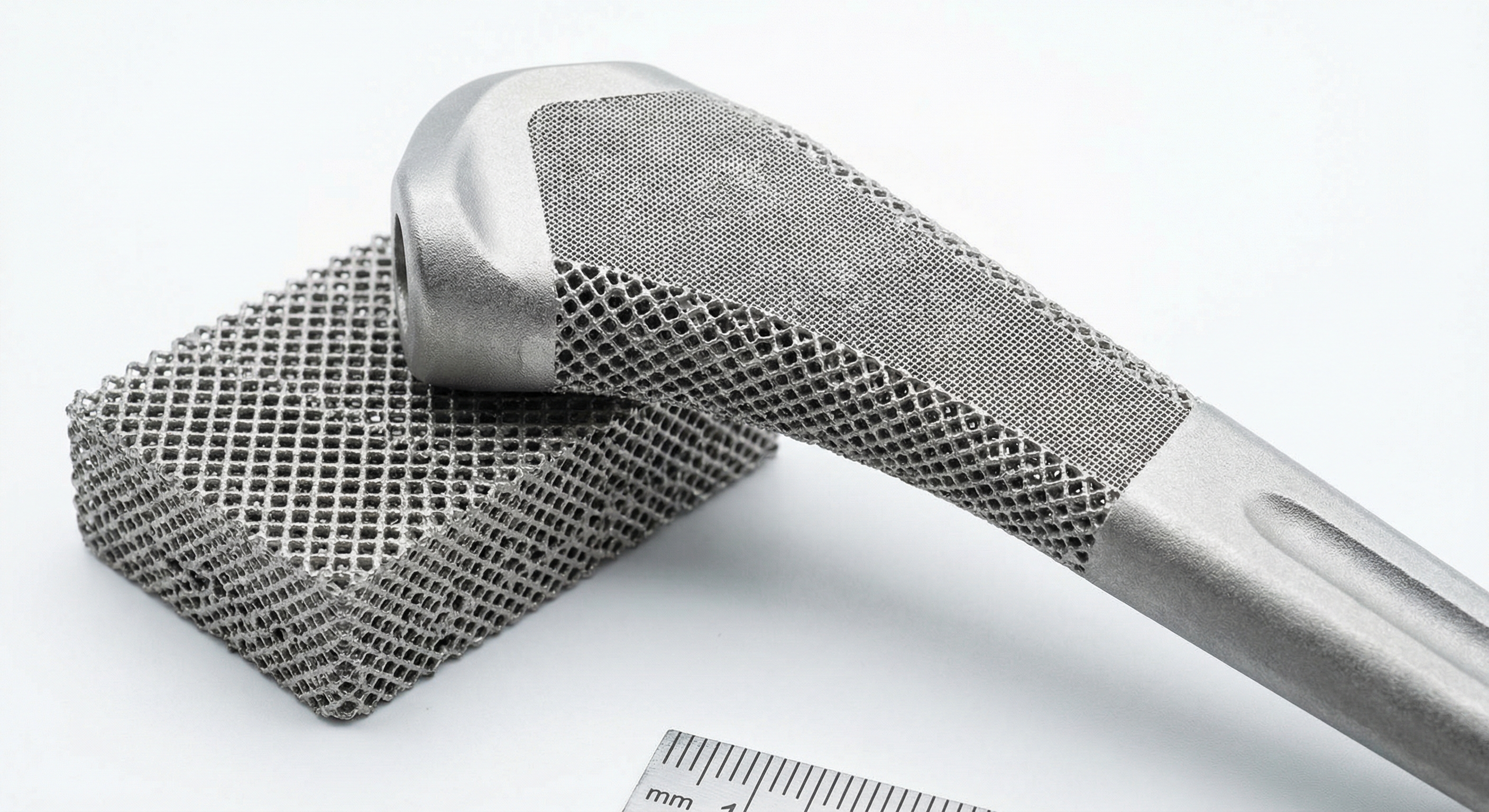
The industry standard for aerospace and medical implants. Exceptional strength-to-weight ratio, superior biocompatibility, and proven performance in surgical applications including hip replacements and spinal fusion devices.

💪

Medical-Grade Properties

Biocompatibility: ASTM F136 Certified

Corrosion Resistance: Excellent in body fluids

Osseointegration: Superior bone-implant bonding

Meet ISO 5832-3 and ASTM F136 standards. Our Ti6Al4V achieves 99.5% density post-DMLS with optional HIP treatment for medical device manufacturing. No surface contamination—direct implant quality.

🛩️

Aerospace Performance

Build Volume: Up to 31.5" × 15.7" × 19.7"

Tolerance: ±0.003" + ±0.001"/in

Weight Savings: 40-50% vs traditional manufacturing

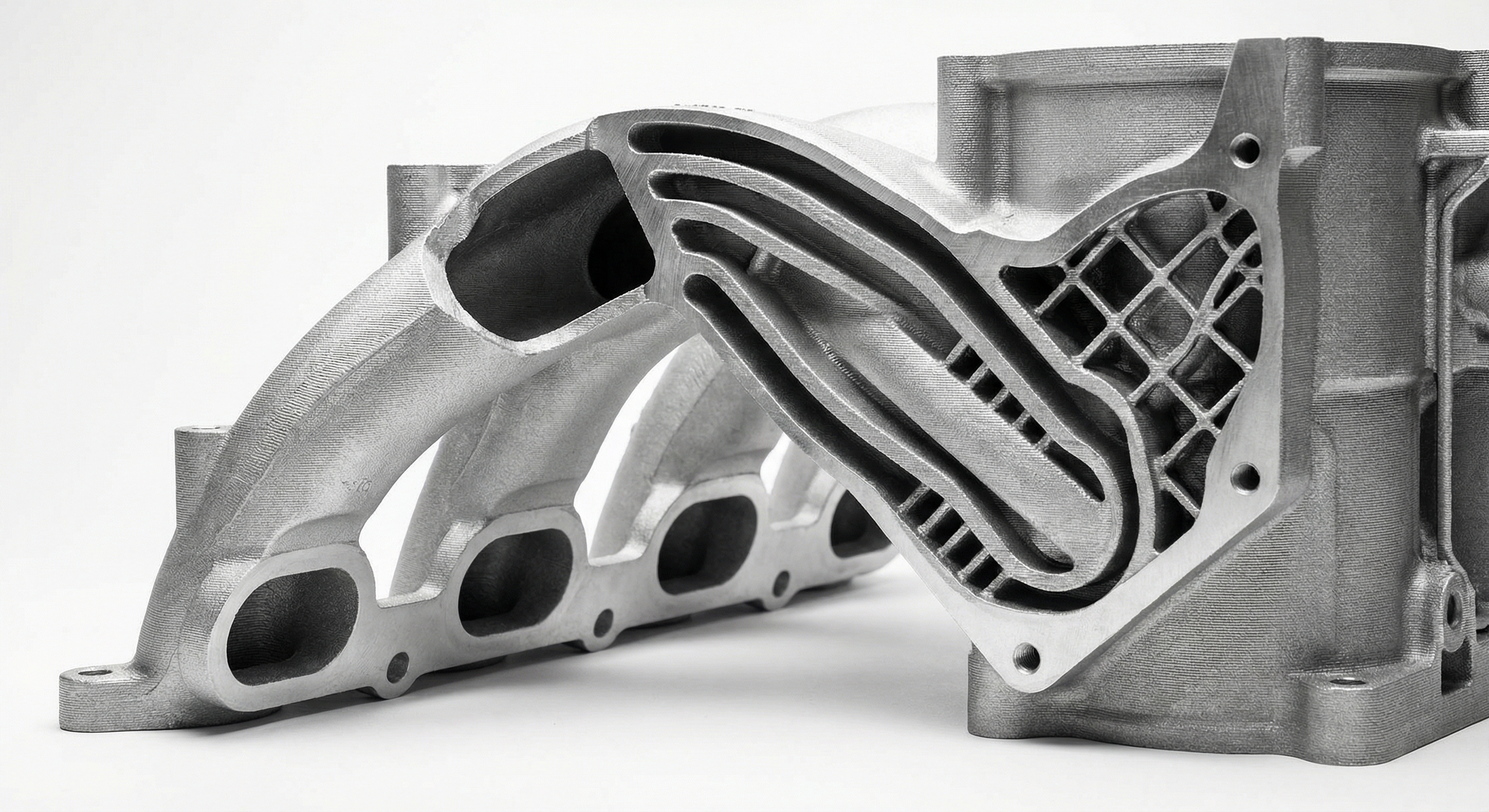
Replace 20+ discrete components with single integrated parts. GE's fuel nozzle case study: consolidated 20 parts into 1, reduced weight 25%, maintained structural integrity with DMLS-produced titanium.

1055
Max Tensile Strength (MPa)
600°C
Operating Temperature
99.5%
Density Achievement
0.006"
Minimum Feature Size

Real-World Applications

Medical titanium implant

Medical Devices & Implants

Johnson & Johnson and other leading medical device manufacturers specify Ti6Al4V for critical implant components. Our DMLS process achieves the biocompatibility and precision required for patient-specific implants:

  • Hip and knee replacement components
  • Spinal fusion cages and rods
  • Craniofacial reconstruction plates
  • Dental implants with enhanced osseointegration
  • Surgical instruments with corrosion resistance
Aerospace turbine component

Aerospace & Defense

Aircraft engines and defense systems demand titanium's exceptional performance envelope. DMLS titanium production delivers:

  • Turbine blade attachments with 600°C heat resistance
  • Landing gear components with 50% weight reduction
  • Avionics housings maintaining structural integrity
  • Fuel system components with superior corrosion resistance
  • Missile and satellite structural elements
Lattice structure demonstration

Biomedical Lattice Structures

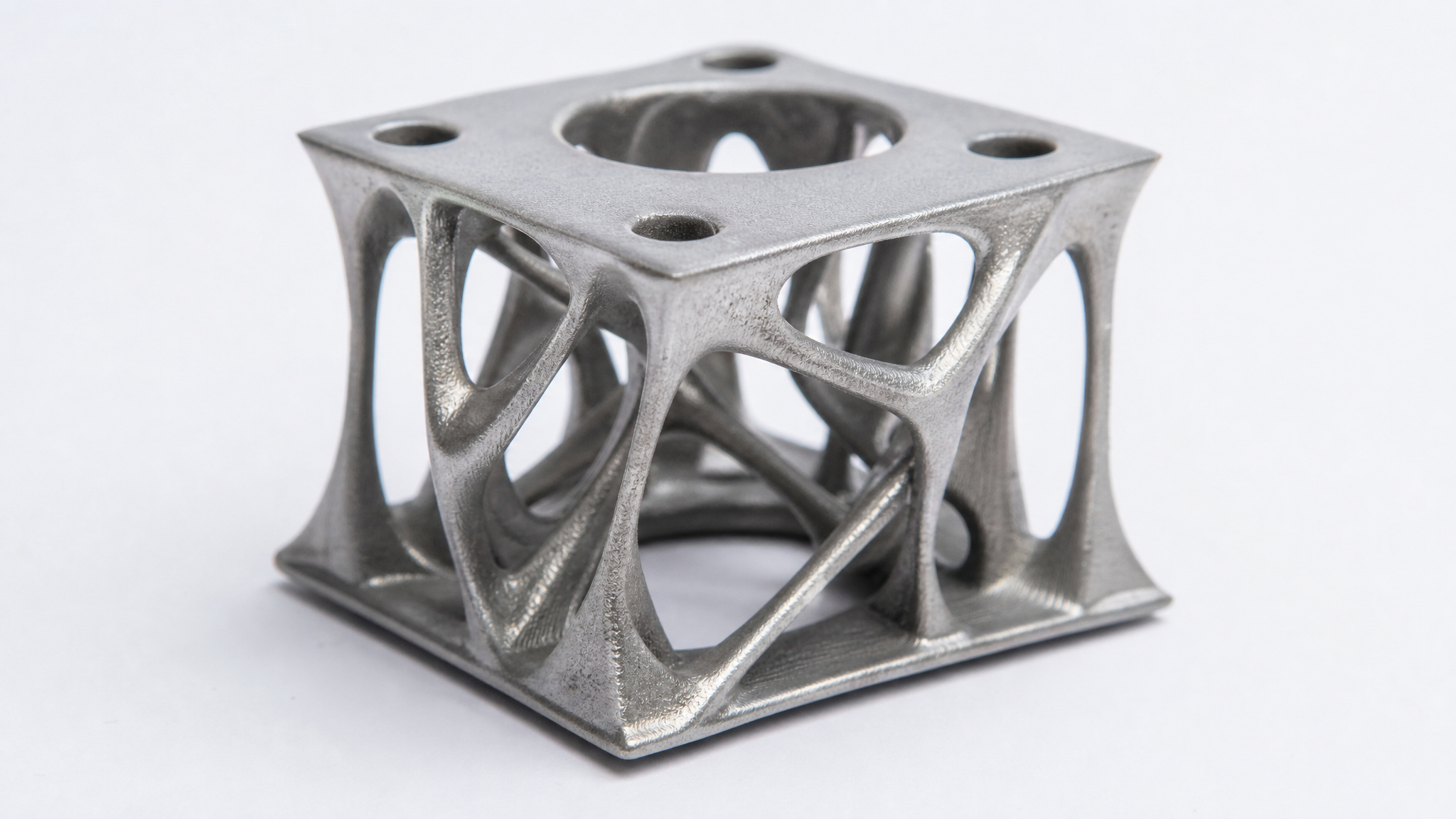
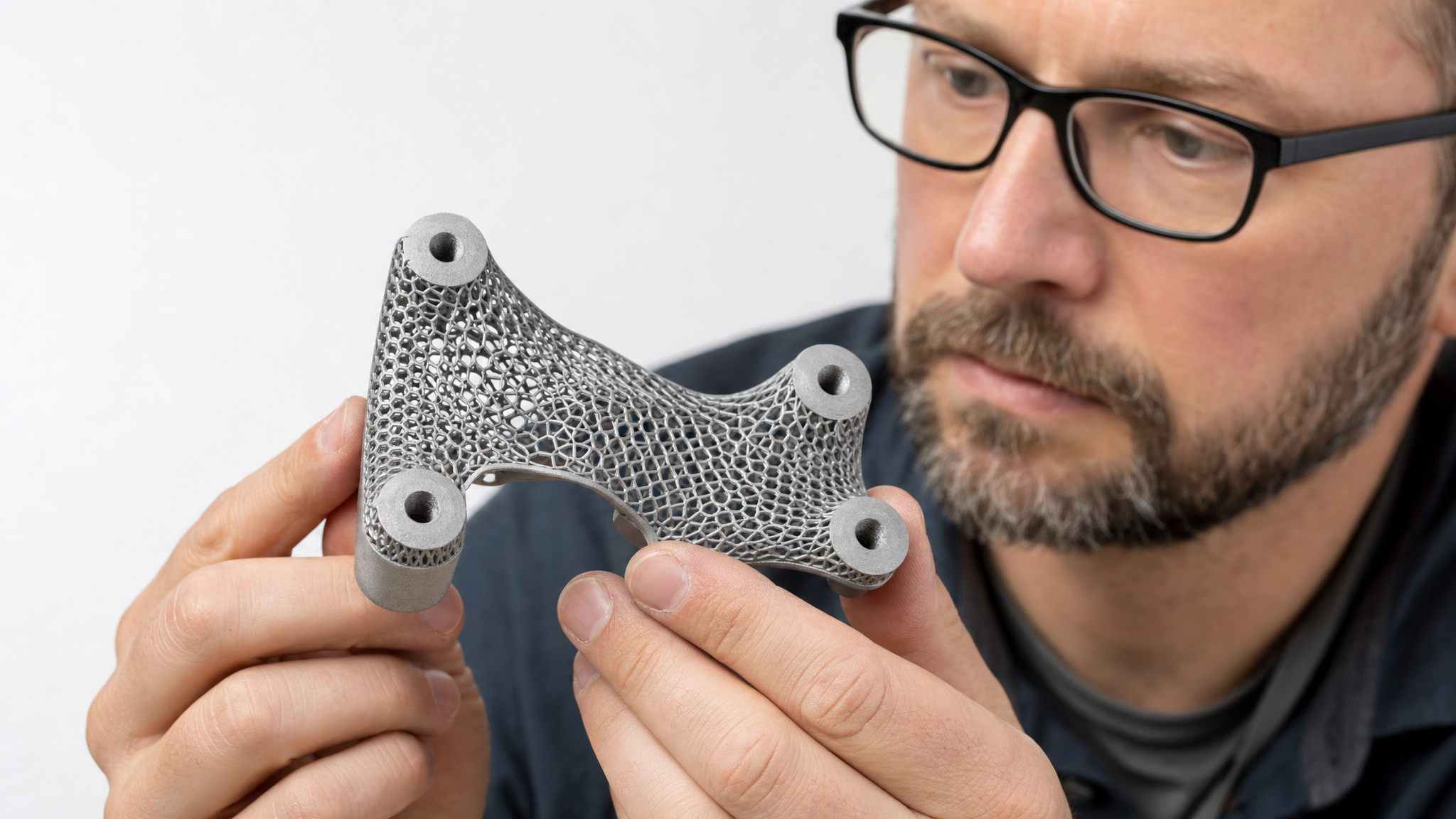
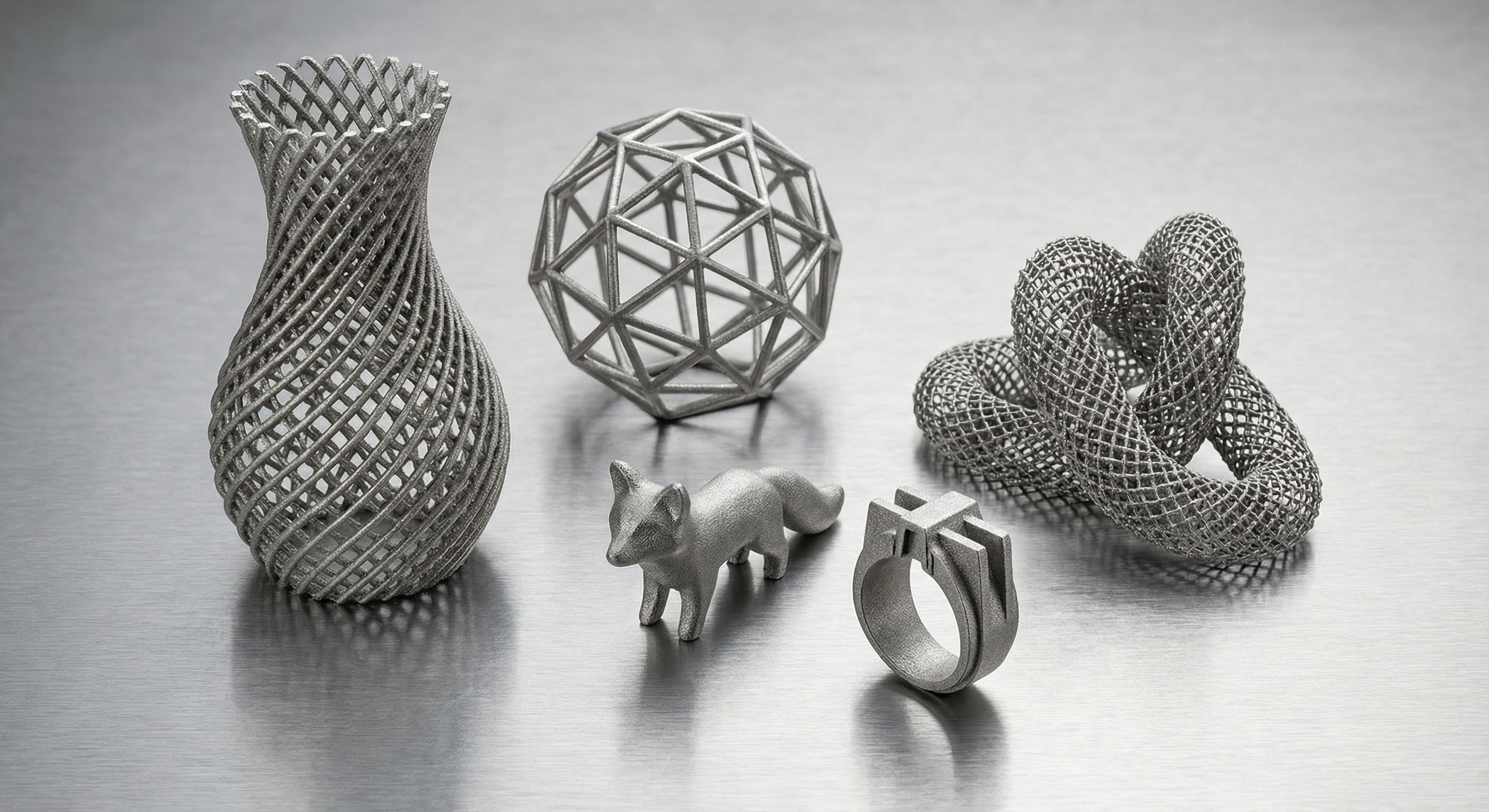
Lightweight internal lattice structures are impossible with traditional manufacturing. Ti6Al4V enables:

  • Patient-specific porous implants for bone ingrowth
  • Internal channels <0.30" diameter for cooling
  • 90% weight reduction in structural components
  • Controlled void fraction for tissue integration
  • Mechanical property preservation with reduced mass

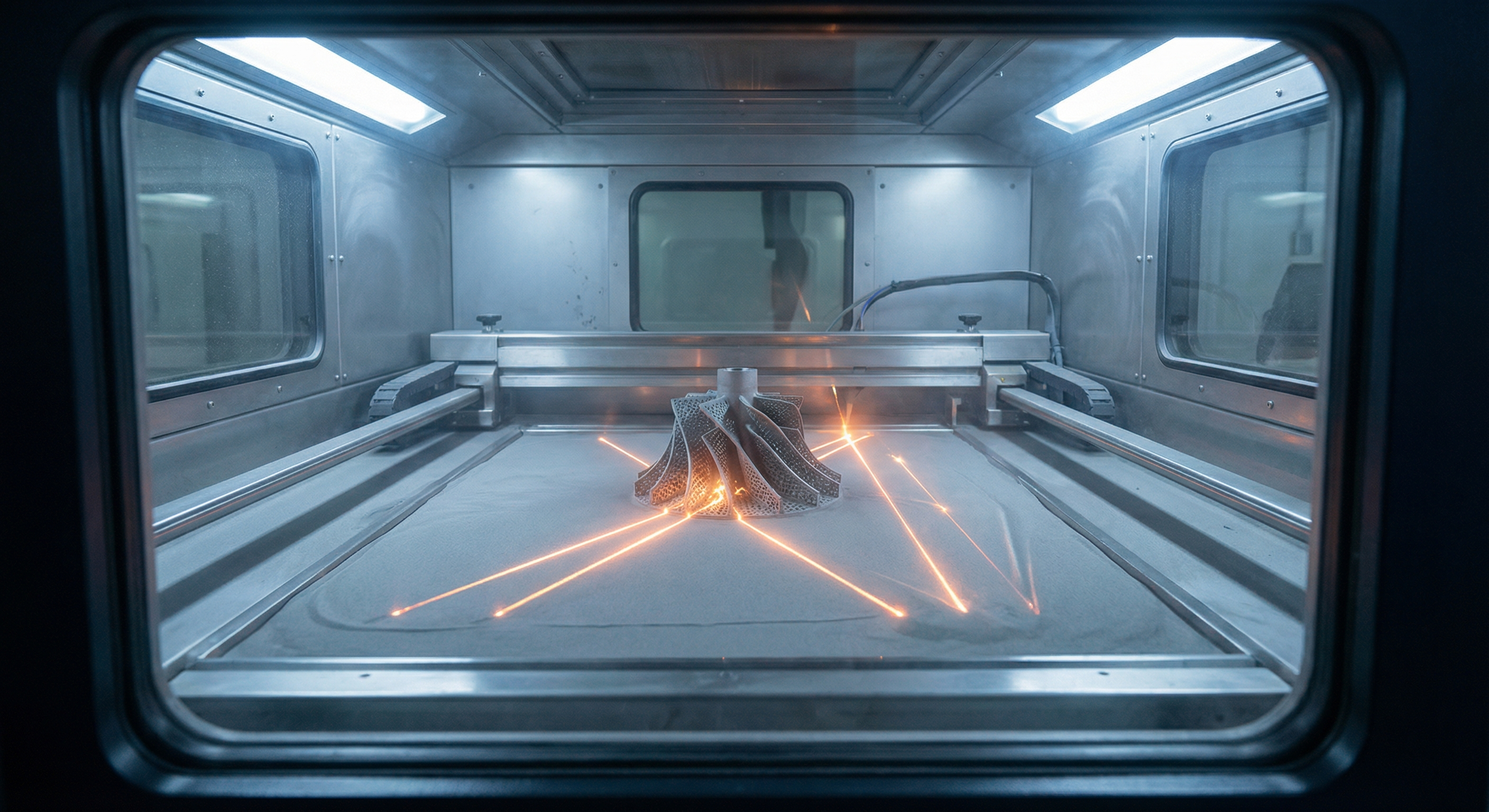
DMLS Process for Titanium

Design Preparation

CAD files analyzed for manufacturability. Titanium-specific considerations: 45° self-supporting angles minimum, 0.020" overhang threshold, removal of internal channels >0.30" diameter. Support structure design optimized for easy removal while maintaining dimensional accuracy.

Powder Atomization & Setup

Pre-alloyed Ti6Al4V powder (40-100 µm particles) loaded into build chamber. Argon atmosphere maintained at <10 ppm oxygen to prevent oxidation. Build platform cleaned and calibrated to ±0.001". Multiple parts arranged for optimal thermal management.

Layer-by-Layer Laser Sintering

Fiber laser (500W or higher) selectively melts powder at 0.050-0.100mm layer thickness. Build chamber temperature maintained 400-600°C to minimize thermal stress. Recoater blade deposits uniform powder bed. Laser parameters: 200-400 µm spot size, 10-20 m/s scan speed.

Stress Relief & HIP Treatment

Post-print stress relief at 950°C, 1-2 hours. Optional Hot Isostatic Pressing (HIP) at 2000°F + 15,000 psi for 3-4 hours eliminates residual porosity, achieving 100% density. Medical implants receive full HIP treatment to ensure zero internal voids.

Finishing & Inspection

Support removal via CNC or EDM. Surface finishing to ±0.001" as required. Solution annealing (1650°F, 30 min) and aging (1150°F, 10 min) for optimal mechanical properties. CT scanning verifies internal structure and density. Tensile testing samples confirm material specifications.

Case Studies: Titanium Success Stories

GE Aviation Fuel Nozzles

Challenge: Complex fuel nozzle assembly required 20 separate machined components, complex assembly, high scrap rate.

Solution: Consolidated into single DMLS Ti6Al4V part with integrated cooling channels. Internal passages <0.020" requiring traditional CNC.

Results: 25% weight reduction, 90% assembly labor eliminated, zero internal voids post-HIP, operating successfully at 600°C+ in production engines.

Johnson & Johnson Surgical Implants

Challenge: Patient-specific hip implants required customization for each individual anatomy, traditional manufacturing not feasible.

Solution: CT scans converted to CAD, DMLS produced custom Ti6Al4V implants with optimized lattice structures for bone integration.

Results: 30% improved osseointegration, ASTM F136 biocompatibility verified, 6-month lead time reduced to 6-8 weeks per patient.

Defense Aerospace Components

Challenge: Landing gear components for fighter aircraft required 50% weight reduction while maintaining structural integrity.

Solution: Topology-optimized DMLS Ti6Al4V components with internal lattice structures maintaining load paths.

Results: 48% weight savings, 15% cost reduction per unit, full compatibility with existing mechanical interfaces and fastening systems.

Latest Titanium 3D Printing News

Ready to Innovate with Titanium 3D Printing?

Get a free DFM analysis for your next titanium component

Request Engineering Consultation
Part of the Metal 3D Printing Network